The Pentagon’s second PURSUE release — 64 files including 51 videos and 7 audio recordings — went live on May 22, 2026.
Government Files
Every Video and Image in the Pentagon’s Second PURSUE Release
64 files. 51 videos. 7 audio recordings. 6 documents. The Department of War’s May 22, 2026 release includes F-16 gun camera footage of the Lake Huron shootdown, declassified Apollo astronaut audio from deep space, a star-shaped UFO weaving through airspace, orange orbs chasing fighter jets, a submarine encounter with a UAP in frame, and 75 years of buried nuclear site sightings.
Watch: Pentagon Second PURSUE Release — Full Overview
Overview coverage of the Pentagon’s second PURSUE release — 51 videos and 7 audio files now public.
When the Trump administration released its first 162-file PURSUE tranche on May 8, it was historic by any measure. The second release — dropped on May 22, 2026 — is bigger, sharper, and more immediate. Where the first batch was largely archival, the second includes footage from 2023, audio from 2025, and video quality that is, in some cases, the clearest UAP imagery ever published by the U.S. government. Here, file by file, is everything that was released.
1. The Lake Huron Shootdown — F-16 Gun Camera Footage (February 12, 2023)
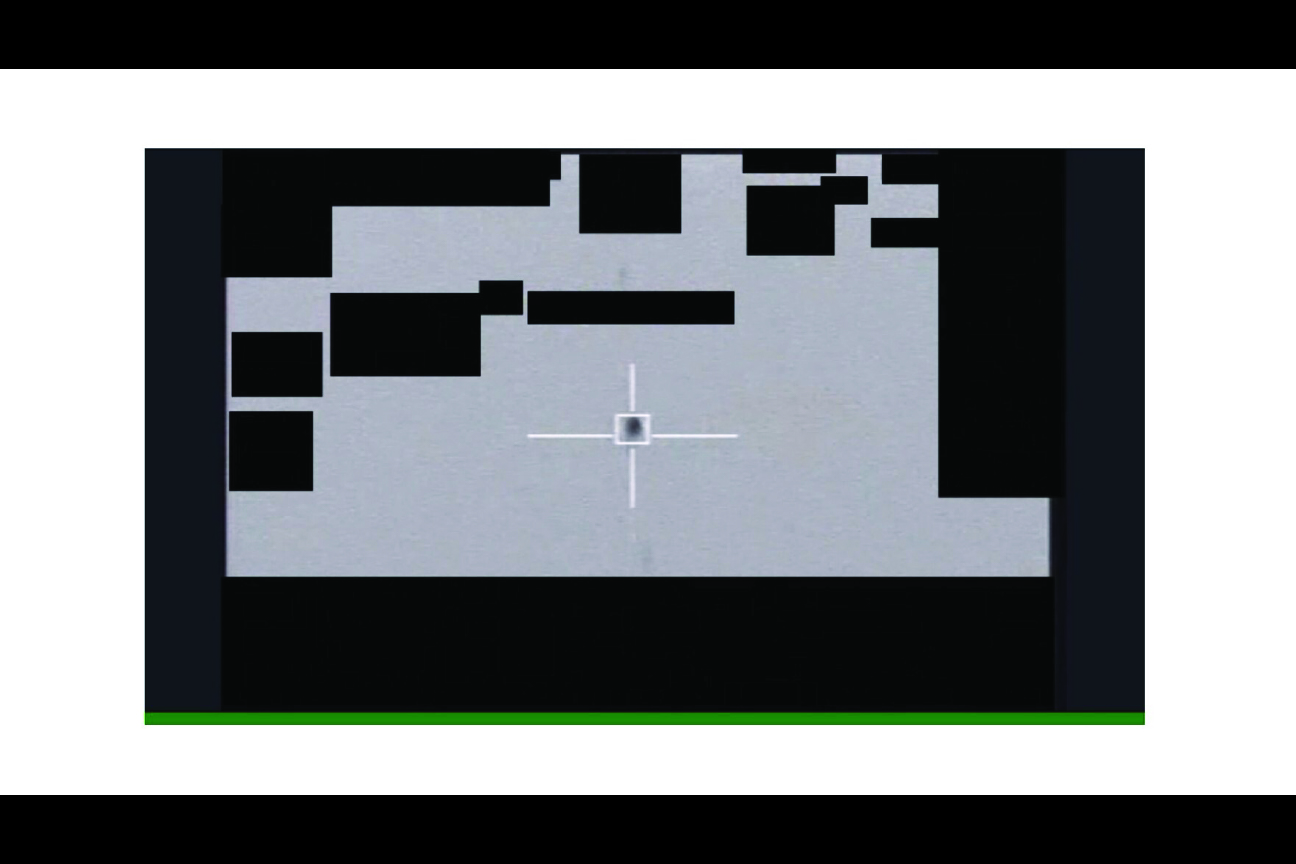
This is the footage people have been demanding since the incident happened. On February 12, 2023 — in the tense days following the Chinese spy balloon overflight — a U.S. Air Force F-16C fired a Sidewinder missile at an unidentified object flying over Lake Huron near the Upper Peninsula of Michigan. The object was destroyed. The Pentagon confirmed the shootdown publicly at the time. What it did not confirm was what the object was.
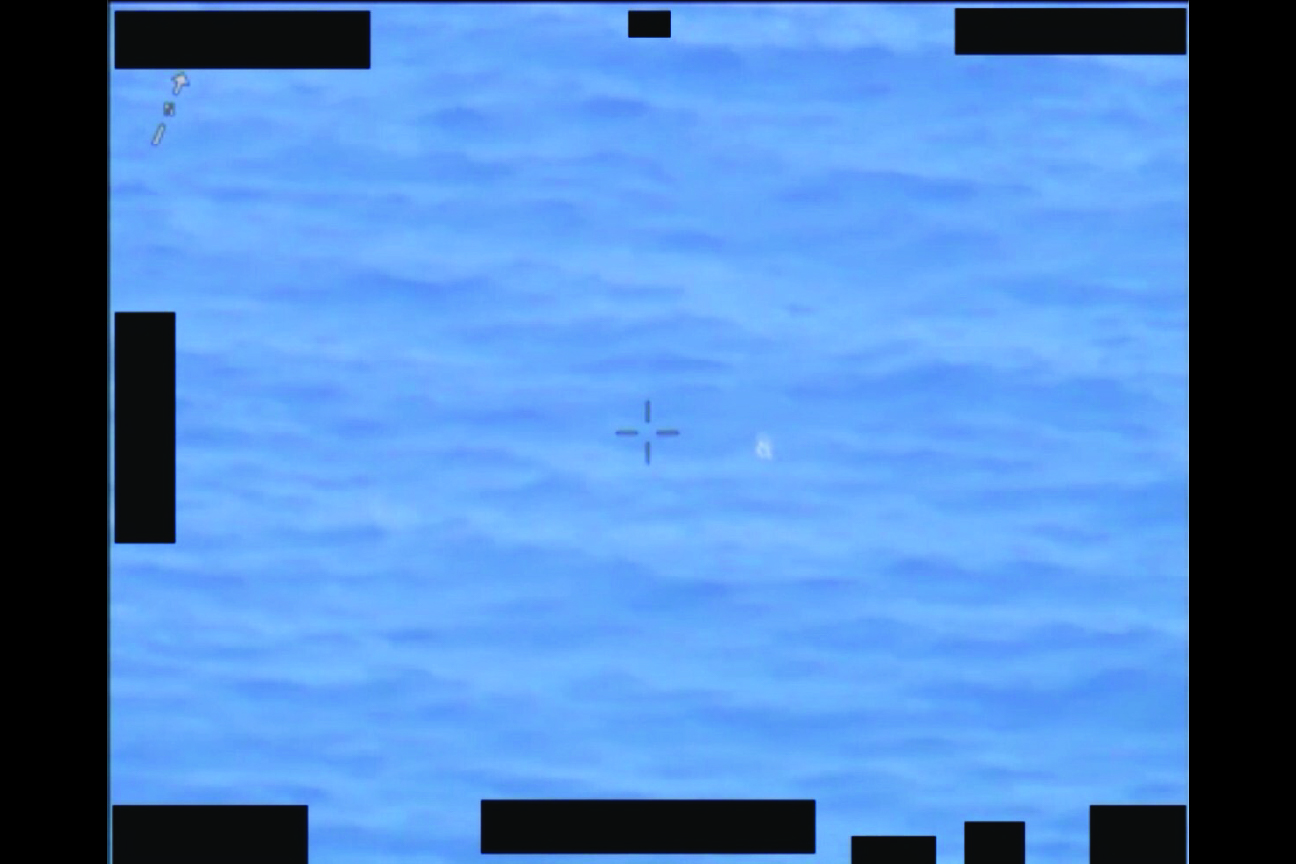
Three years later, the 46-second infrared gun camera footage is now public. The video, officially labelled “USAF ANG F-16C Shoots Down UAP over Lake Huron with [Weapon System], 12 Feb 2023,” shows an object described as round to diamond-shaped with a jagged trailing edge — small, no visible propulsion, no transponder signal. The missile strike is captured in the footage. The object was never identified. This is the first visual evidence released from any of the four North American UAP engagements of February 2023.
2. Apollo 12 Astronaut Audio — “Streaks of Light” in Deep Space (1969)
Watch: Apollo 12 Mission Anomalies — Declassified
Apollo 12 anomalies and green orb sightings — both covered in today’s PURSUE second release.
Seven audio recordings were included in the second batch. The most striking is a declassified recording from a 1969 post-mission medical debrief with the Apollo 12 crew: Pete Conrad, Richard Gordon, and Alan Bean. In the audio, the three astronauts describe unexplained streaks of light they observed while attempting to sleep during the mission — flashes with no apparent source inside or outside the spacecraft.
The astronauts described the flashes as having direction, persistence, and in some cases apparent structure — characterisations that went beyond NASA’s later official explanation of cosmic rays interacting with the visual cortex. The recording was classified at the time. It is now public for the first time.
3. Mercury and Apollo “Fireflies” and “Snowflakes” Audio
Watch: NASA Astronaut Reports — Pentagon UAP File Release
Astronaut audio from Mercury and Apollo missions — now declassified and publicly available.
Additional audio recordings released in the second batch document astronauts from both the Mercury and Apollo programmes describing luminous objects visible outside their spacecraft in orbit. The objects were described variously as fireflies, snowflakes, and particles of light that appeared to behave independently of the spacecraft. NASA’s post-mission explanation was frozen condensation separating from the spacecraft body.
The recordings tell a more complicated story. The astronauts’ descriptions in the moment — now accessible in their original, unedited form — convey genuine uncertainty and, in several instances, active attempts by the crew to rule out the condensation explanation as they observed the objects moving. These are trained military test pilots applying systematic observation to something they could not account for.
One of the most visually arresting pieces of footage in the batch shows an object shaped like an eight-pointed star moving through airspace. The movement is not ballistic or linear — the object weaves. The shape matches no aircraft in any publicly disclosed military or commercial inventory. No propulsion system, control surfaces, or exhaust signature is visible in the footage.
The Department of War has withheld the date, location, and recording platform for this video. It has been classified as an unresolved case. The footage is brief, but its shape and movement profile have already drawn significant attention from independent researchers and aviation analysts who note that the symmetrical, multi-pointed geometry cannot be explained by conventional aeronautics.
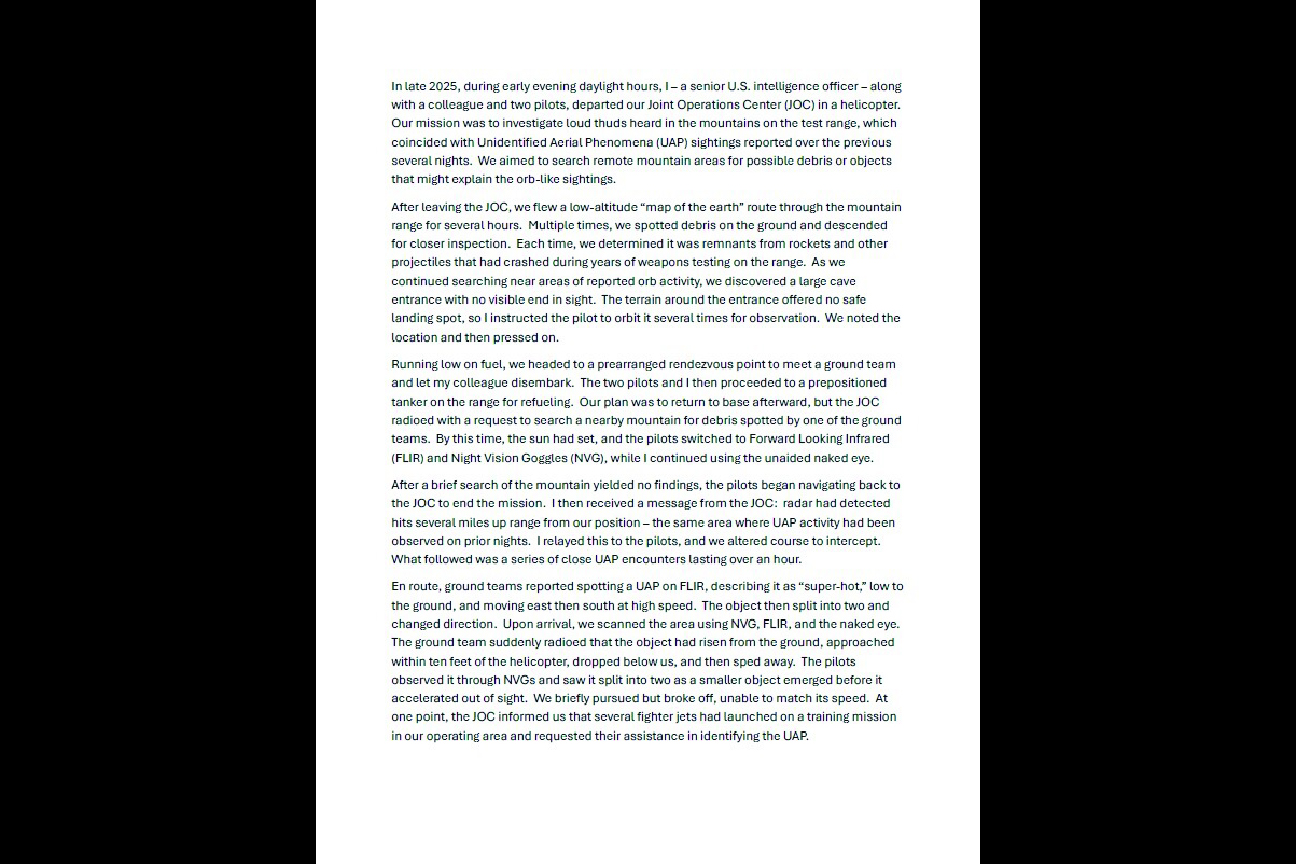
Among the written documents in the second batch is a first-person account from a U.S. intelligence officer describing an encounter that left him, in his own words, “virtually speechless.” The officer describes two large orbs that flared up near his helicopter — oval in shape, orange with a white or yellow centre, self-luminous. The orbs then moved to positions above nearby fighter jets and appeared to actively track them.
The account becomes more significant in its final detail: the officer observed the orbs form a distinct triangle before vanishing simultaneously. This is the first time such structured geometric formation behaviour has appeared in a formally filed, recently classified intelligence document now released to the public under PURSUE.
6. Submarine Tracking Footage — UAP Visible in Frame
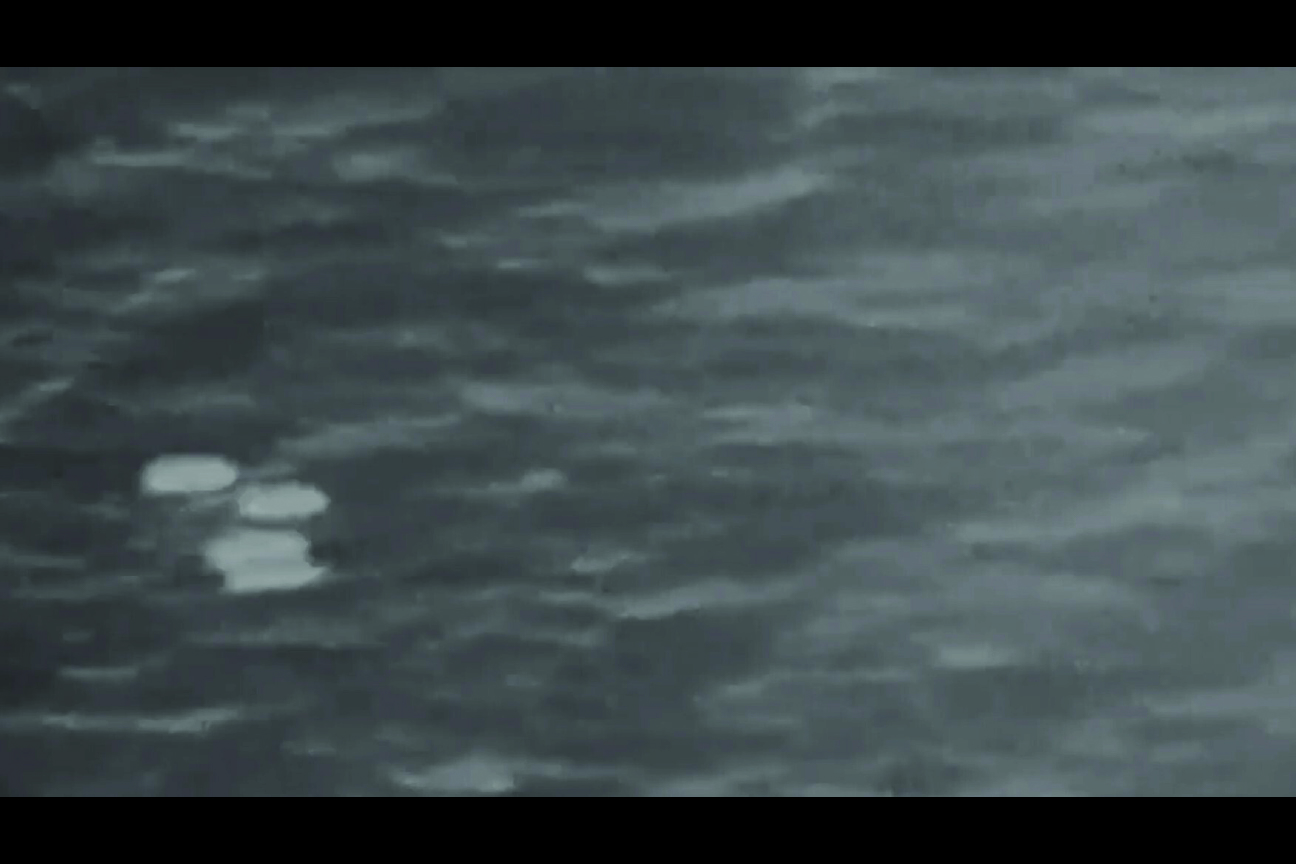
One of the most unusual pieces of footage in the batch shows the U.S. military actively tracking a foreign submarine. The significance is not the submarine — it is what appears simultaneously in the same frame: an unidentified aerial object visible in the sensor footage while the sub is being monitored below. The Department of War has not identified the object, the date, or the location. It has been classified as unresolved.
7. Middle East Infrared Footage — Multiple Simultaneous Objects (2019)
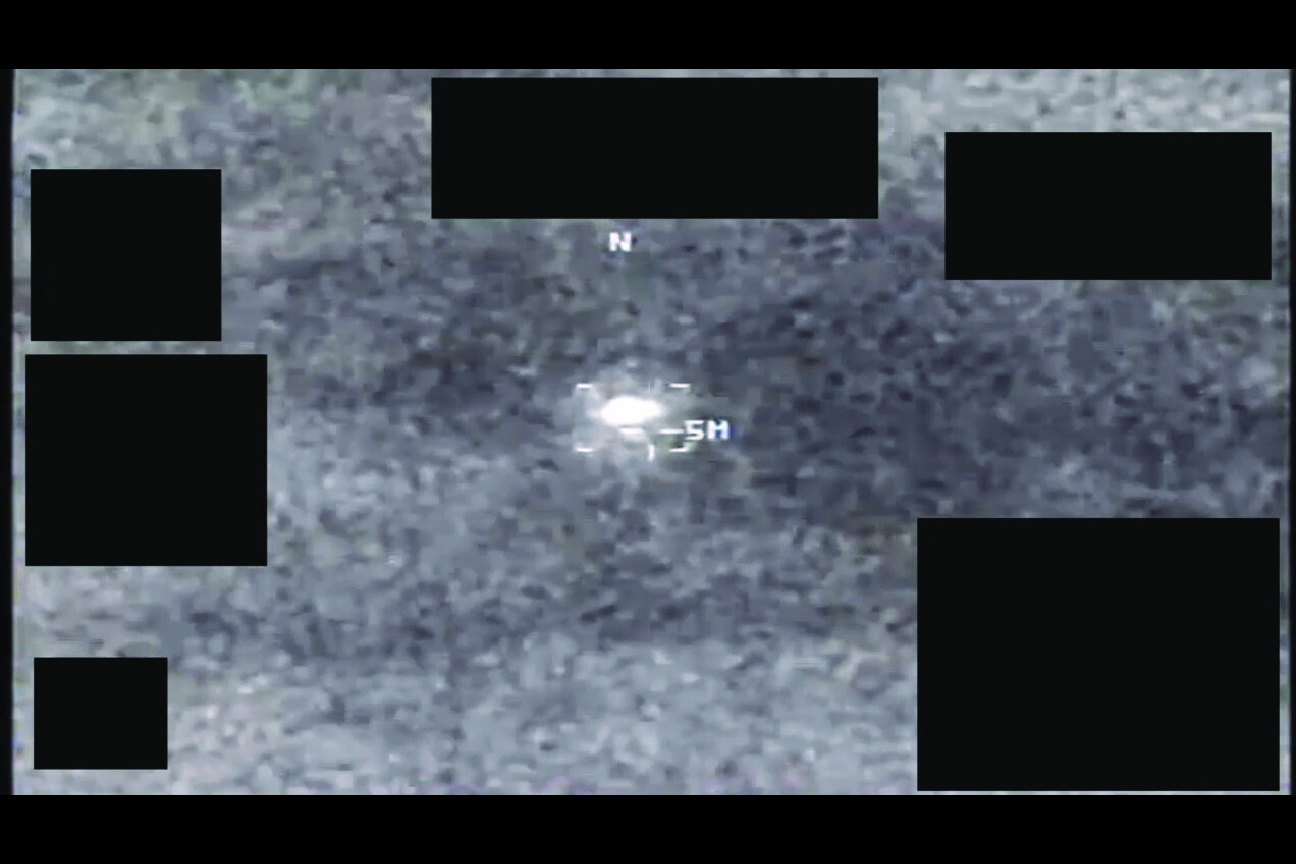
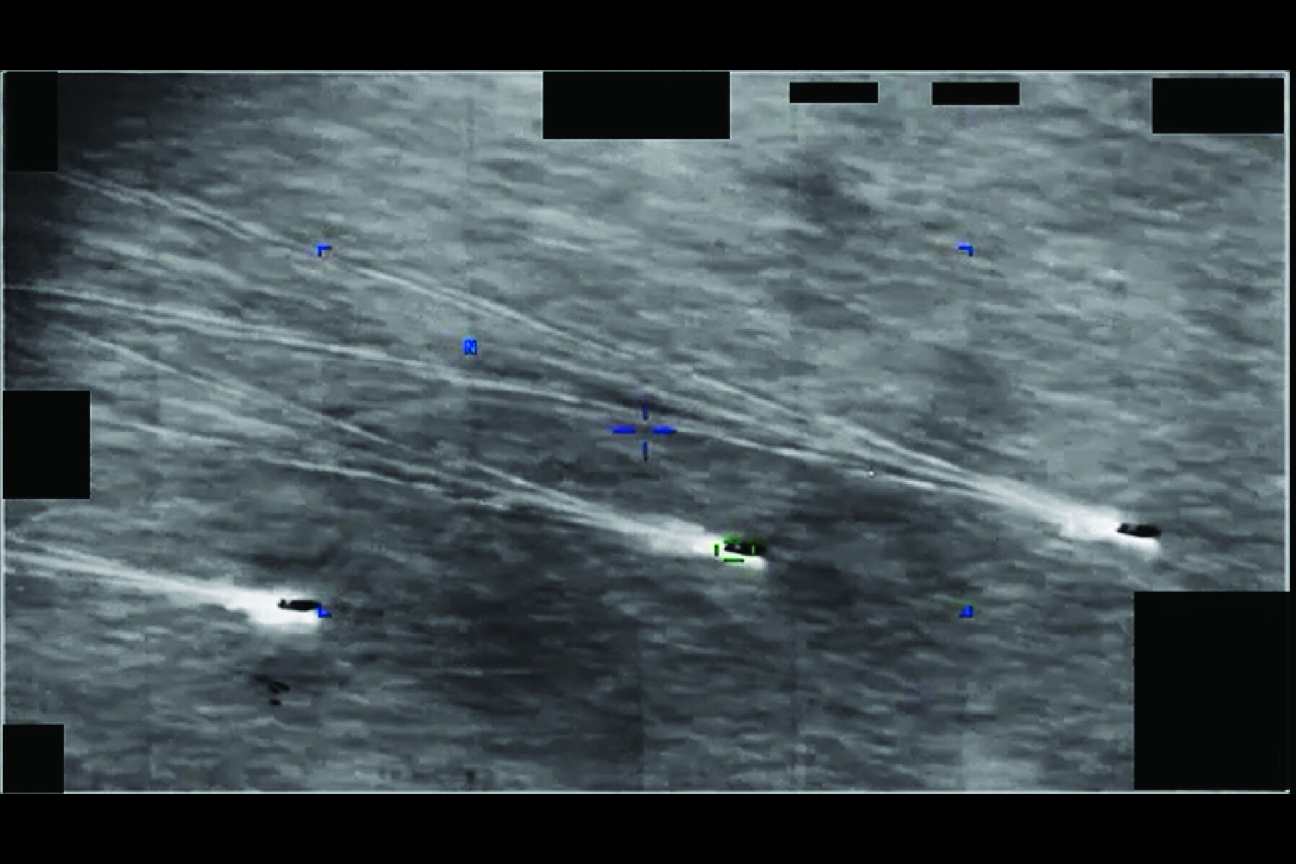
A 2019 infrared recording from a military operation in the Middle East shows multiple unidentified objects captured simultaneously in a single sensor field. Multiple simultaneous objects in military infrared footage — operating without transponders, without conventional propulsion signatures, in restricted airspace — represent one of the stronger categories of UAP evidence: sensor artefacts and misidentification become significantly less plausible when multiple objects appear in the same frame at the same time.
8. Coast Guard Infrared Video — Object Near Commercial Aircraft (April 2024)
A U.S. Coast Guard infrared sensor recorded an unidentified object flying in proximity to a commercial aircraft over the south-eastern United States in April 2024. The object’s flight profile does not correspond to any aircraft the Coast Guard has been able to identify. This footage was recorded fourteen months ago on a government sensor platform, immediately classified, and is now public under PURSUE — one of the clearest recent examples of UAP activity in civilian airspace captured by a federal authority.
9. Sandia National Laboratories — 200+ Green Orb Sightings (1948–1950)
Watch: UFO Files — Mystery Green Orbs & Nuclear Site Sightings
Declassified files covering UAP activity near nuclear facilities — now part of the public record.
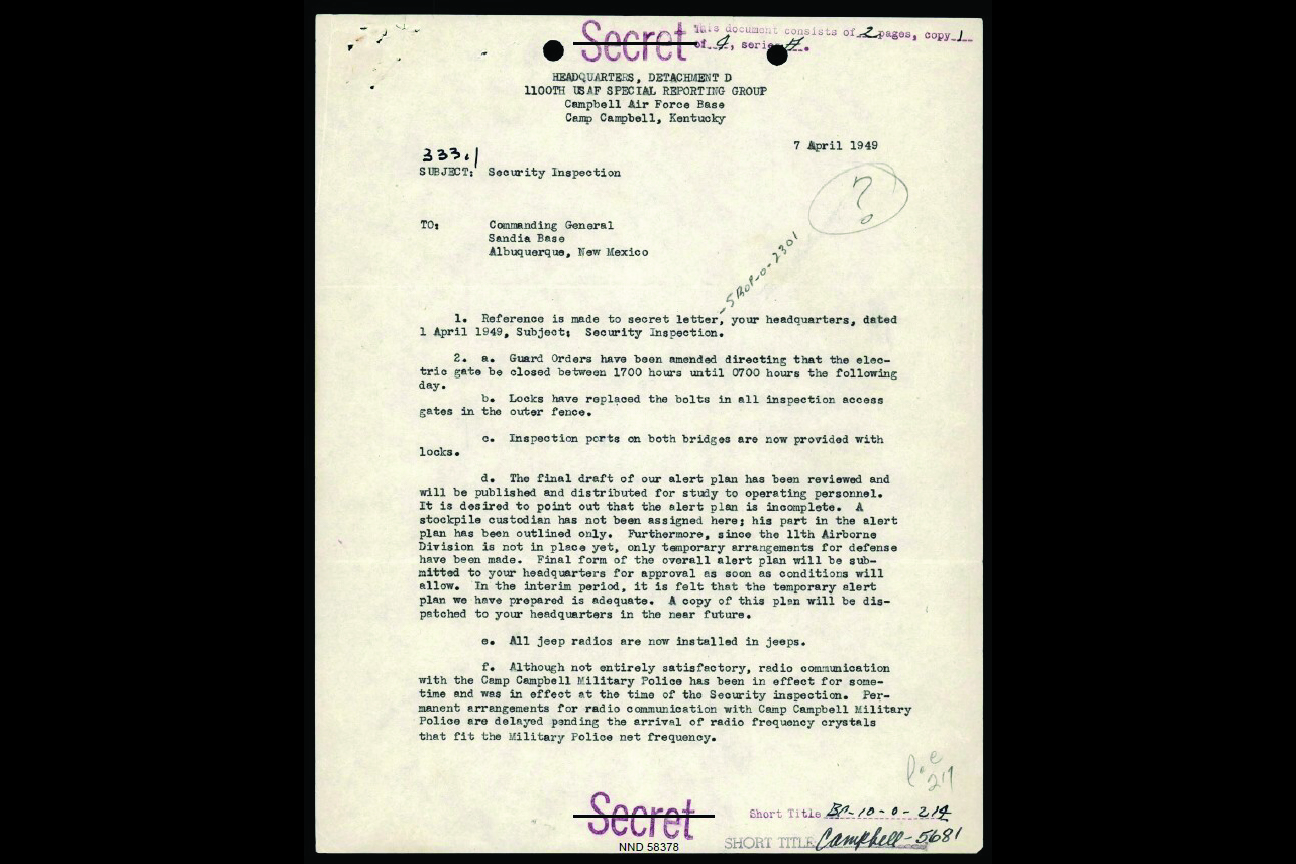
The oldest materials in the second batch are also among the most significant in context: more than 200 documented sightings of green orbs, discs, and fireballs in and around Sandia, New Mexico, compiled by the U.S. Air Force and the Armed Forces Special Weapons Program between 1948 and 1950. Sandia National Laboratories is the primary U.S. nuclear weapons design and custody facility.
The concentration of documented UAP activity at one of America’s most sensitive nuclear installations, in the years immediately following Roswell, was observed, recorded, and classified by the military personnel responsible for protecting the site. It remained classified for 75 years. The pattern of UAP interest in nuclear infrastructure — documented at Malmstrom, Minot, Bentwaters, and now Sandia — is now supported by over 200 additional official data points from the earliest years of the atomic age.
What This Release Establishes
Taken together, the 64 files in Release 02 do something the first batch could not: they place UAP activity in specific, verifiable recent contexts. A named engagement over a named lake with footage of the object at the moment of impact. Astronaut audio from named missions, in named astronauts’ voices, describing named phenomena. An intelligence officer’s account from fourteen months ago, filed through official channels, classified, and now public.
The government’s position has not changed — these remain unresolved cases, no extraterrestrial origin is claimed — but the evidentiary foundation has shifted substantially. These are gun camera footage, mission audio, and intelligence documents from events that are part of the historical record. All 64 files from Release 02, plus the original 162 files from Release 01, are available now at WAR.GOV/UFO →
All footage is publicly available — no security clearance required.
Browse all 51 videos, 7 audio files, and 6 documents from Release 02 at the official PURSUE portal.